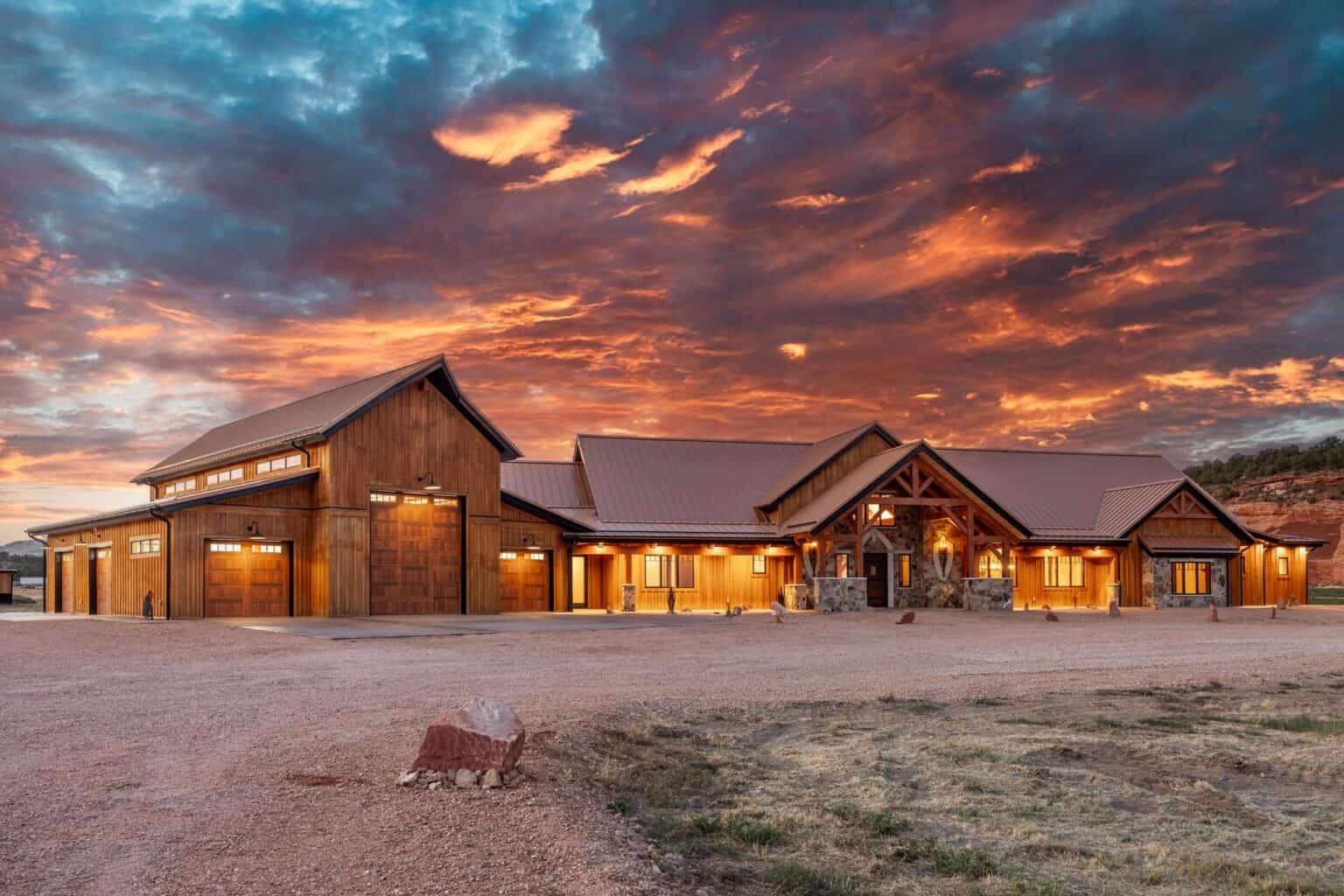

Utah’s opulent mansions tell a story that intertwines the state’s rich history with the aspirations of its early settlers and affluent residents. The roots of these grand estates can be traced back to the mid-19th century when pioneers, driven by the promise of prosperity and a new life, began to establish their homes in the rugged landscapes of the Beehive State. As the economy flourished, particularly during the mining booms and the establishment of the railroad, wealthy individuals sought to showcase their success through the construction of lavish homes.
These mansions became symbols of wealth and status, reflecting not only personal achievements but also the burgeoning identity of Utah as a place of opportunity. The architectural landscape of Utah began to evolve as these opulent homes were built, showcasing a variety of styles that mirrored national trends while also incorporating local materials and cultural influences. The late 19th and early 20th centuries saw a surge in the construction of these estates, with many families investing in elaborate designs that featured intricate woodwork, expansive gardens, and stunning views of the surrounding mountains.
As Utah transitioned into the 20th century, these mansions became more than just residences; they transformed into cultural hubs where social gatherings, political discussions, and artistic endeavors flourished. The history of Utah’s opulent mansions is not merely about their physical structures but also about the lives lived within them and the legacies they left behind.
Key Takeaways
- Utah’s opulent mansions have a rich history dating back to the late 19th and early 20th centuries, when wealthy industrialists and entrepreneurs built these grand homes as a symbol of their success and influence.
- The architectural styles of Utah’s opulent mansions are diverse, ranging from Victorian and Gothic Revival to Neoclassical and Renaissance Revival, reflecting the influences of the time and the personal tastes of the owners.
- Many famous residents, including influential business leaders and political figures, have called Utah’s opulent mansions home, leaving a lasting impact on the state’s history and development.
- Visitors can explore these historic mansions through guided tours and special events, offering a glimpse into the opulent lifestyle of Utah’s elite during the Gilded Age.
- Preservation efforts face challenges in maintaining these grand estates, but their significance as cultural and historical landmarks continues to make them an integral part of Utah’s community and identity.
Architectural Styles and Influences
The architectural styles of Utah’s opulent mansions are as diverse as the state’s landscape itself. Influenced by various movements and cultural elements, these homes often blend traditional designs with modern innovations. One can find examples of Victorian architecture, characterized by ornate details and asymmetrical shapes, alongside the more streamlined lines of Arts and Crafts style homes that emphasize craftsmanship and natural materials.
The use of local stone and timber not only grounds these structures in their environment but also pays homage to Utah’s natural beauty. In addition to Victorian and Arts and Crafts styles, many mansions in Utah exhibit elements of Colonial Revival architecture, which became popular in the early 20th century. This style often features symmetrical facades, gabled roofs, and classic columns that evoke a sense of grandeur and timelessness.
Furthermore, the influence of the Mediterranean Revival style can be seen in some estates, with their stucco exteriors, red-tiled roofs, and arched doorways that transport visitors to sun-soaked villas far from the mountains of Utah. Each architectural choice reflects not only aesthetic preferences but also the cultural aspirations of their owners, making these mansions a fascinating study in design and history.
Famous Residents and Their Impact on Utah’s History
Throughout its history, Utah has been home to numerous influential figures whose lives have been intertwined with the opulent mansions that dot its landscape. These residents have played pivotal roles in shaping the state’s political, social, and economic fabric. For instance, prominent business magnates who made their fortunes in mining or railroads often resided in these grand homes, using their wealth to influence local governance and community development.

Their contributions helped lay the groundwork for modern Utah, fostering growth and innovation that would benefit future generations. Moreover, many of these mansions served as gathering places for notable figures in Utah’s history. Political leaders, artists, and philanthropists would convene in these luxurious settings to discuss ideas that would shape the state’s future.
The stories of these residents are often interwoven with significant events in Utah’s history, from statehood to civil rights movements. Their legacies continue to resonate today, as many descendants remain active in community affairs or contribute to charitable causes that reflect the values instilled by their ancestors.
Tours and Visiting Opportunities
| Location | Available Tours | Visiting Hours |
|---|---|---|
| Museum | Guided tours, Audio tours | 9am – 5pm |
| Zoo | Behind-the-scenes tours, Animal encounters | 10am – 6pm |
| Historical Site | Walking tours, Interactive exhibits | 10am – 4pm |
For those interested in exploring Utah’s opulent mansions, there are numerous tours and visiting opportunities available that allow guests to step back in time and experience the grandeur of these historic homes. Many estates have been preserved or restored to their former glory, offering guided tours that delve into their architectural significance and the lives of their former residents. Visitors can marvel at intricate woodwork, stunning stained glass windows, and beautifully landscaped gardens while learning about the history that shaped these remarkable structures.
In addition to guided tours, some mansions host special events throughout the year, including seasonal celebrations, art exhibitions, and educational programs. These events provide a unique opportunity for community engagement while showcasing the cultural importance of these estates. Whether it’s a holiday gala or a summer garden party, attending an event at one of Utah’s opulent mansions allows visitors to immerse themselves in the elegance and charm that define these historic homes.
Preservation Efforts and Challenges
Preserving Utah’s opulent mansions is a complex endeavor that requires dedication from both private owners and public organizations. Many of these historic homes face challenges such as aging infrastructure, changing building codes, and financial constraints that can hinder restoration efforts. However, various preservation societies and local governments are committed to safeguarding these architectural treasures for future generations.
Through fundraising initiatives, grants, and community outreach programs, they work tirelessly to ensure that these mansions remain standing as testaments to Utah’s rich history. Despite these efforts, challenges persist. The balance between modernization and preservation is often a contentious issue among stakeholders.
Homeowners may wish to update their properties for contemporary living while maintaining historical integrity, leading to debates over what constitutes appropriate renovations. Additionally, as urban development encroaches on historic neighborhoods, there is an ongoing struggle to protect these mansions from being overshadowed or demolished in favor of new construction. The future of Utah’s opulent mansions depends on continued advocacy for preservation and a collective appreciation for their historical significance.
The Role of Utah’s Opulent Mansions in the Community

Utah’s opulent mansions serve as more than just private residences; they play a vital role in fostering community connections and cultural enrichment. Many of these estates are utilized for public events, educational programs, and charitable functions that bring people together from all walks of life. By opening their doors to the community, these historic homes become venues for dialogue, creativity, and collaboration—strengthening social bonds among residents.
Furthermore, these mansions often act as symbols of local pride and heritage. They remind residents of their shared history and inspire future generations to appreciate the beauty and significance of their surroundings. Community members frequently rally around preservation efforts or participate in events hosted at these estates, reinforcing a sense of belonging and stewardship over their cultural landmarks.
In this way, Utah’s opulent mansions contribute not only to individual stories but also to the collective narrative of the state.
The Intriguing Stories and Legends Surrounding Utah’s Opulent Mansions
Every opulent mansion in Utah carries with it a tapestry of intriguing stories and legends that add depth to its historical significance. Tales of lavish parties hosted by wealthy families or whispered secrets exchanged within grand ballrooms create an aura of mystique around these estates. Some homes are said to be haunted by former residents or have experienced unexplained phenomena that spark curiosity among visitors.
These legends often enhance the allure of the mansions, drawing people in with promises of adventure and discovery. Additionally, many stories reflect broader themes within Utah’s history—such as resilience during economic downturns or triumphs over adversity—that resonate with contemporary audiences. These narratives serve as reminders of the human experience behind each mansion’s walls, connecting visitors with the lives lived within them.
As people explore these homes, they become part of an ongoing dialogue about history, culture, and identity—one that continues to evolve with each passing generation.
Utah’s Opulent Mansions as Cultural and Historical Landmarks
Utah’s opulent mansions stand as cultural and historical landmarks that encapsulate the essence of the state’s heritage. They are not merely architectural feats; they represent the dreams and aspirations of those who built them while reflecting broader societal trends over time. As cultural landmarks, these estates contribute to Utah’s identity by showcasing its artistic achievements and architectural diversity.
Moreover, many mansions have been designated as historical sites or included on national registries due to their significance within local communities. This recognition helps ensure their preservation while promoting awareness about their historical context among residents and visitors alike. By celebrating these opulent homes as cultural treasures, Utah honors its past while inspiring future generations to appreciate the beauty and complexity of their shared history.
In doing so, these mansions continue to play an essential role in shaping Utah’s narrative—one that is rich with stories waiting to be told.
If you are interested in exploring luxurious accommodations beyond Utah mansions, you may want to check out the rooms available at Whiskey Sierra Ranch. This ranch offers beautifully decorated rooms with modern amenities, perfect for a relaxing getaway. To learn more about the history of this stunning property, you can read about it here. And if you are ready to book a tour to experience the beauty of Whiskey Sierra Ranch for yourself, you can do so here.